🇰🇷 Korea
20260204
Introduction to Seoul Royal Palaces
If you’re visiting Korea for the first time, chances are you’ll be spending most of your time in Seoul—and more specifically, in areas like Jongno-gu or Jung-gu. These neighborhoods sit right in the heart of the city, and since all of Korea’s royal palaces are located in Jongno-gu, it’s where you’ll find the most “authentically Korean” atmosphere. There’s simply so much to see here that it naturally becomes the place where most foreign visitors spend the bulk of their time.
Jongno-gu alone is home to five royal palaces, along with Jongmyo Shrine, Bukchon Hanok Village, Samcheong-dong’s cultural streets, Ikseon-dong, and Insadong—each with its own distinct vibe. Today, I want to give you a quick introduction to Seoul’s royal palaces and share some thoughts on hanbok rental, which has become incredibly popular among visitors.
The Five Royal Palaces & Shrine of Seoul: A Complete Overview
Seoul has five royal palaces: Gyeongbokgung, Changdeokgung, Changgyeonggung, Deoksugung, and Gyeonghuigung.
When I was young, all five looked pretty much the same to me—I couldn’t really tell them apart. But once I learned more about their history, I started noticing the differences. Let me break down each palace as briefly as possible:
Gyeongbokgung: The Heart of Joseon, The Primary Royal Palace
This was the first and main palace built by the Joseon Dynasty (a beopgung, or “primary palace”). It was designed to showcase the king’s authority and dignity—grand, orderly, and imposing.
Main Purpose: The official space for state ceremonies and where the king handled governmental affairs.
Changdeokgung: The Palace Kings Loved Most, Harmony with Nature
If Gyeongbokgung feels like a formal office space, Changdeokgung was more of a home—a place where kings actually lived and spent most of their time.
Main Purpose: When Gyeongbokgung was destroyed by fire, Changdeokgung served as the de facto primary palace for roughly 270 years.
What Sets It Apart: The palace was built following the natural terrain rather than flattening the land artificially. It also features Huwon (the Secret Garden), a masterpiece of traditional Korean landscaping. Highly recommended for nature lovers. Note: Separate reservation required for the Secret Garden.
Changgyeonggung: A Palace Built with Filial Devotion, A Living Space for Royalty
Built to house the royal family’s elders (like the Queen Dowager), this palace sits right next to Changdeokgung.
Main Purpose: Primarily used as a residential space for the royal family.
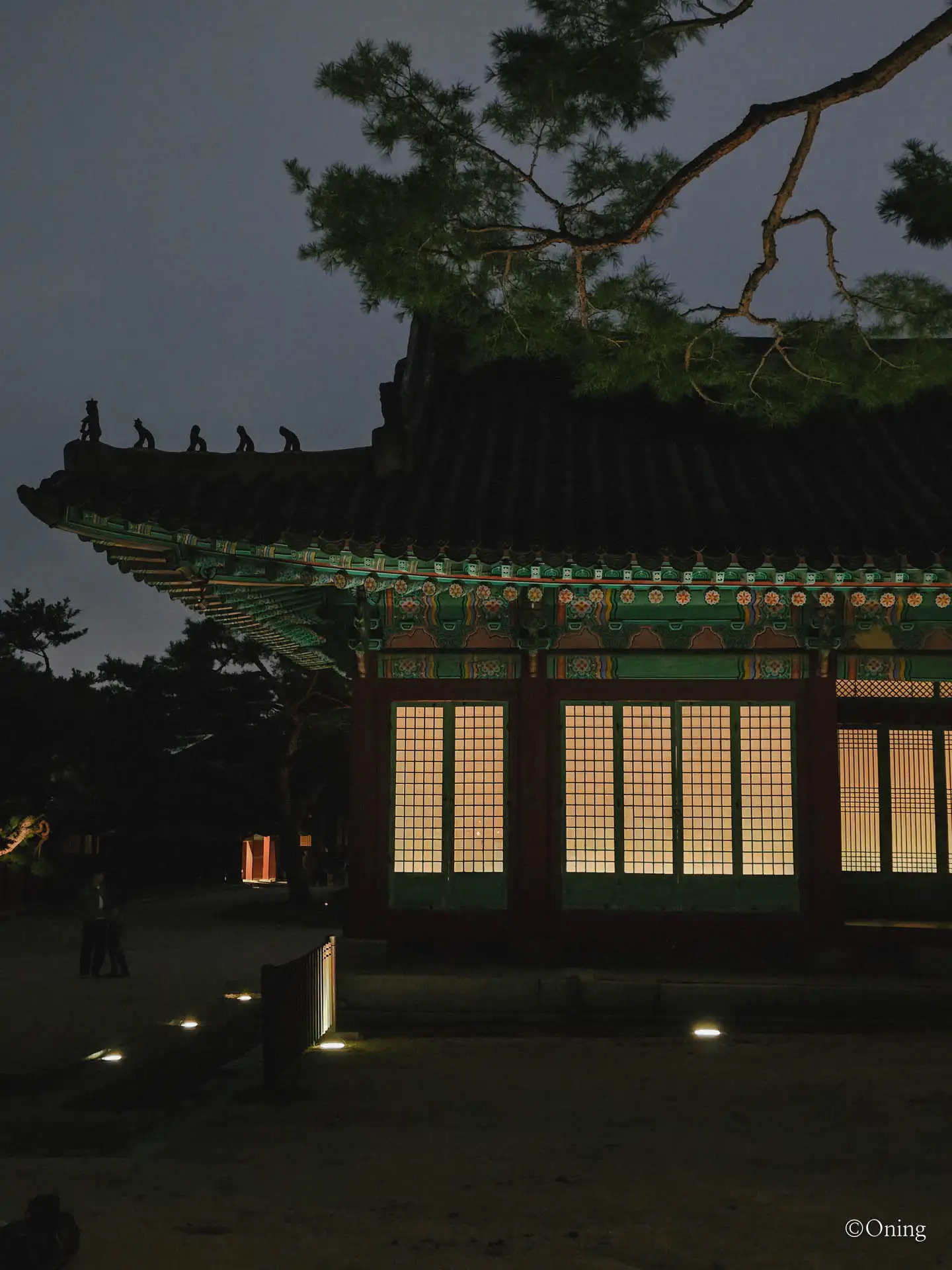
What Sets It Apart: It has a more intimate, feminine atmosphere compared to other palaces. It carries a painful history of being converted into a zoo during the Japanese occupation but has since been restored. Don’t miss the Great Greenhouse (Dae-onsil)—a Western-style glass structure. Personally, I found it especially beautiful during the nighttime opening, with all the lights on.
Deoksugung: Where Tradition Meets Modernity
Originally a royal residence, it was upgraded to a palace after the Imjin War (Japanese invasion of 1592). This is where Emperor Gojong declared the Korean Empire, signaling Korea’s ambition to become a modern nation.
Main Purpose: A center of diplomacy and politics during the late Joseon period and the Korean Empire era.
What Sets It Apart: Traditional Korean buildings coexist with Western stone architecture (Seokjojeon) in the same space. Seeing a Renaissance-style building inside a palace is quite a unique experience.
Gyeonghuigung: The Quiet Palace in the West
A secondary palace (ignung) built for the king to retreat to in emergencies or to rest.
What Sets It Apart: Most of it was destroyed during the Japanese occupation, and only a portion has been restored. It’s small but offers free admission, and since it sees fewer tourists, it’s a lovely spot for a peaceful stroll while appreciating traditional Korean architecture.
Jongmyo: The Sacred Shrine Where Joseon’s Spirits Rest
Many foreign visitors assume this is a royal tomb, but it’s actually a shrine—not a burial site.
What It Is: The kings’ bodies are buried in the royal tombs (wangneung) scattered across the mountains outside Seoul. Jongmyo, on the other hand, is where the spirit tablets (sinju)—wooden plaques representing the souls of deceased kings and queens—are enshrined. Think of it as Korea’s equivalent of a grand cathedral housing royal memorial tablets, or perhaps a Confucian Pantheon—though rather than religious worship, the focus here is on filial piety (hyo) and ancestral remembrance.
If the palaces represent spaces of life and politics, Jongmyo is a space of spirit and peace.
Note: Except on Saturdays, entry is typically limited to scheduled guided tours only, so be sure to check the tour times in advance.
Which Palace Should You Visit in Seoul?
If I had to recommend just one palace to someone visiting Korea for the first time, it would have to be Gyeongbokgung—the main palace.
If you’ve ever watched a Korean historical drama (sageuk), you’ve probably seen scenes where the king sits in the center while rows of officials stand on either side, responding in unison or presenting their cases. That setting is the main hall of a palace called Jeongjeon, with Gyeongbokgung’s Geunjeongjeon and Changdeokgung’s Injeongjeon being the most famous examples. Between the two, Gyeongbokgung is more grand and imposing—which is why it’s been featured in countless Korean films, historical dramas, and even the opening scene of Golden‘s music video by Huntrix, Netflix’s popular K-pop demon hunter show.
For all these reasons, Gyeongbokgung makes the most sense as a first recommendation. But if someone asked me which palace is my personal favorite, I’d say Changdeokgung without hesitation.
When you step inside Gyeongbokgung, it’s undeniably majestic—but there’s something rigid about it. Everything is sharp, orderly, almost severe. The palace was literally built on flat ground in a strict grid pattern, and apparently the kings found it psychologically stifling. Changdeokgung, on the other hand, was constructed along the natural slopes of the mountain, making it feel much cozier and more comfortable—which is why kings preferred to stay there.
If Gyeongbokgung is the “official headquarters,” then Changdeokgung is the “real home and office” where kings actually ate, slept, and worked. Kings loved Changdeokgung with its beautiful gardens far more than the rigid Gyeongbokgung—and honestly, I feel the same way. I once visited Changdeokgung during a special spring opening when all the doors and windows were left open, and the palace surrounded by spring flowers was absolutely breathtaking. (For some reason, I don’t have a single photo left from that day 😭) The Secret Garden is the real highlight of Changdeokgung—it requires a separate reservation, but if you’re already visiting the palace, I highly recommend bundling it together.
Hanbok Rental: The Free Entry Perk
Except for Changgyeonggung, all palaces charge a small admission fee—but if you’re wearing hanbok (traditional Korean attire), entry is free.
I personally find hanbok absolutely beautiful, but the truth is, Koreans rarely wear it in daily life outside of childhood or during Seollal (Lunar New Year), the biggest holiday in Korea. After childhood, you might wear it at your wedding—maybe. Even that’s becoming less common because rental fees are so expensive. That’s why when they first announced the “free admission for hanbok wearers” policy, I thought it was a brilliant idea.
Hanbok rental shops started popping up around every palace, and as different styles emerged—from traditional hanbok to saenghwal hanbok (everyday hanbok) and gaeryang hanbok (modernized hanbok)—the palaces became the best place to spot people in hanbok, whether Korean or foreign.
But of course, with the good comes the not-so-good. Hanbok has evolved through many eras and continues to change today, so I can’t outright say anything is “wrong.” But sometimes I see people wearing hanbok that looks so cheap—presumably because rental shops are cutting costs to stay profitable—that it barely resembles hanbok at all.
What I consider classic women’s hanbok in dramas:
To me, traditional hanbok (not saenghwal or gaeryang styles) means a slightly shiny fabric like gongdan (silk satin) with soft, elegant colors. Legitimate hanbok specialty shops charge quite a bit, so I understand that tourist-area rental shops have to compromise on fabric quality.
Traditional hanbok is worn long enough that your feet are just barely visible. But rental shops probably shorten the skirts to prevent the hemlines from wearing out too quickly. I can accept seeing shoes or feet, but I’ve often spotted skirts hiked up to mid-calf, with the inner pants (sokbaji) showing as people walk. Add some never-before-seen glittery gold patterns that look like they were painted on with craft glue, and honestly? It starts to feel like something other than hanbok entirely.
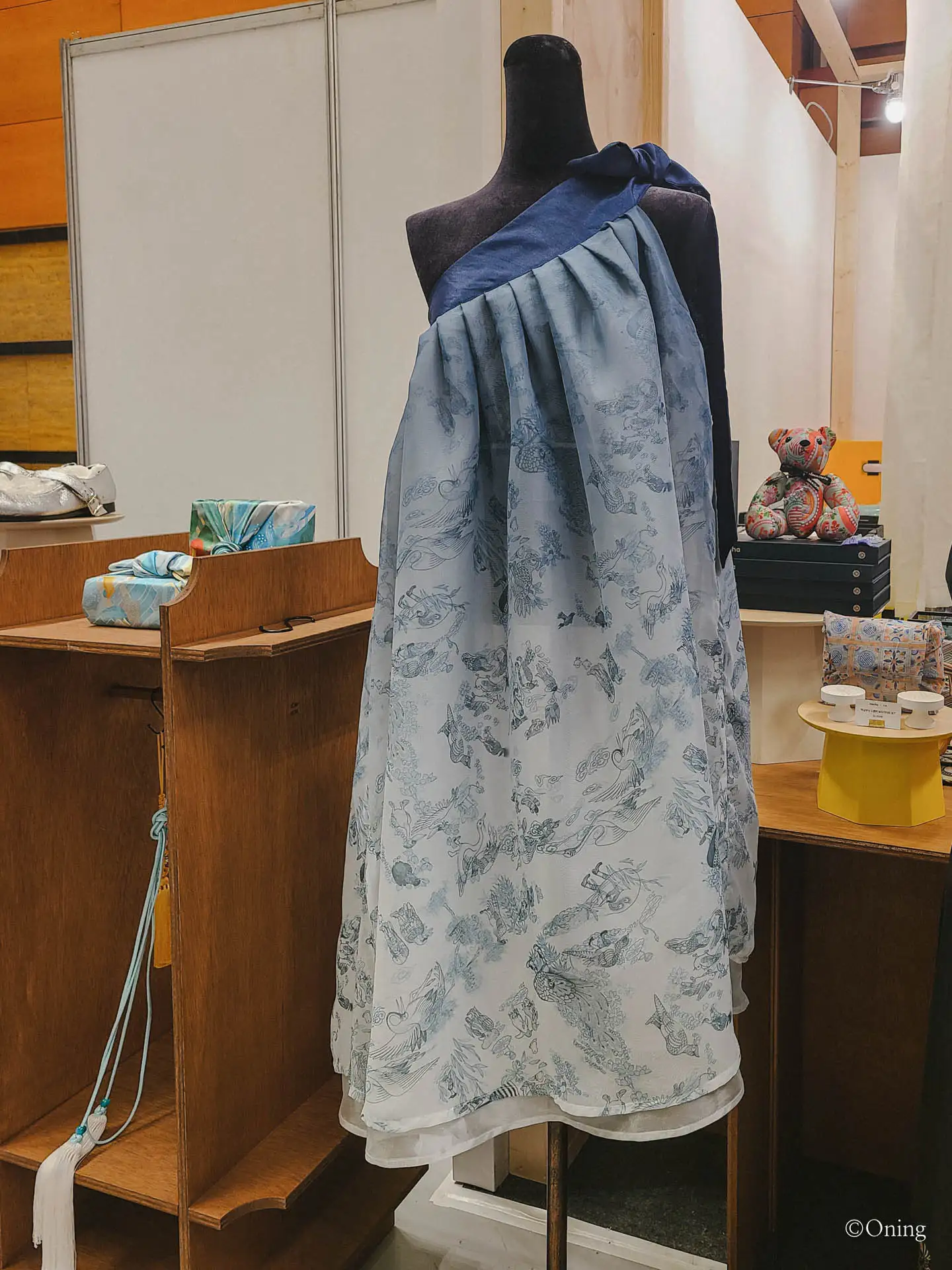
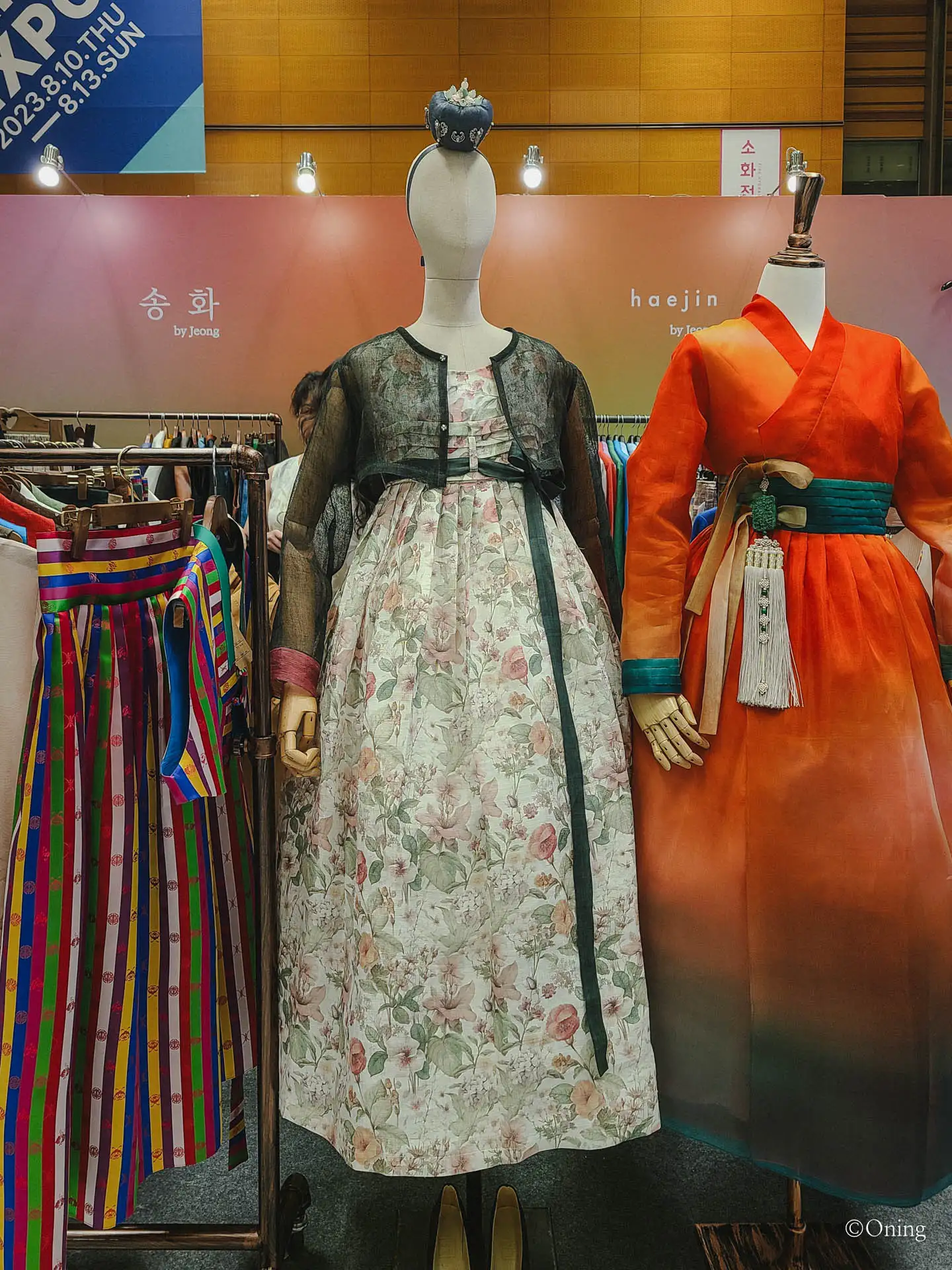
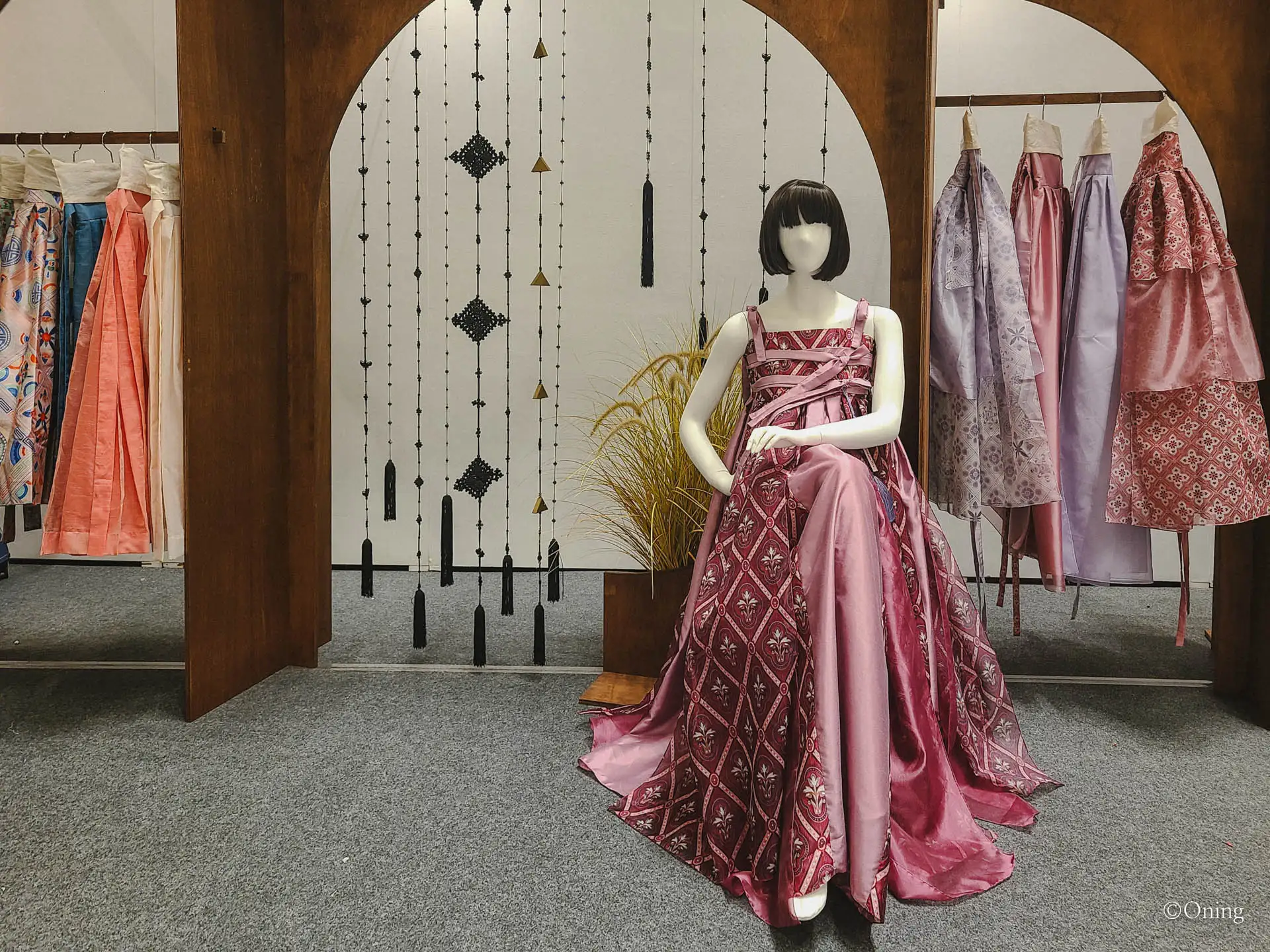
Visit a hanbok expo and you’ll see constantly evolving designs—new patterns, new styles, even suit-like hanbok. So who am I to say what’s “correct”? But in my mind, the essence of hanbok lies in its understated elegance, so I wanted to share my thoughts.
My color combination recommendations for achieving that classic hanbok look:
- For children: Bright primary colors on the skirt or colorful saekdong (rainbow-striped) jeogori (jacket) are perfect—playful and cheerful.
- For young adults: Pastel color combinations, or pairing one bold primary color (either skirt or jeogori) with a very soft, muted shade for the other piece. This creates a gentle, graceful look.
- For older adults: Muted, subtle color combinations, or a dark-toned skirt (like dark green or indigo) paired with a bright but low-saturation jeogori. This gives off a dignified, elegant, and sophisticated vibe.
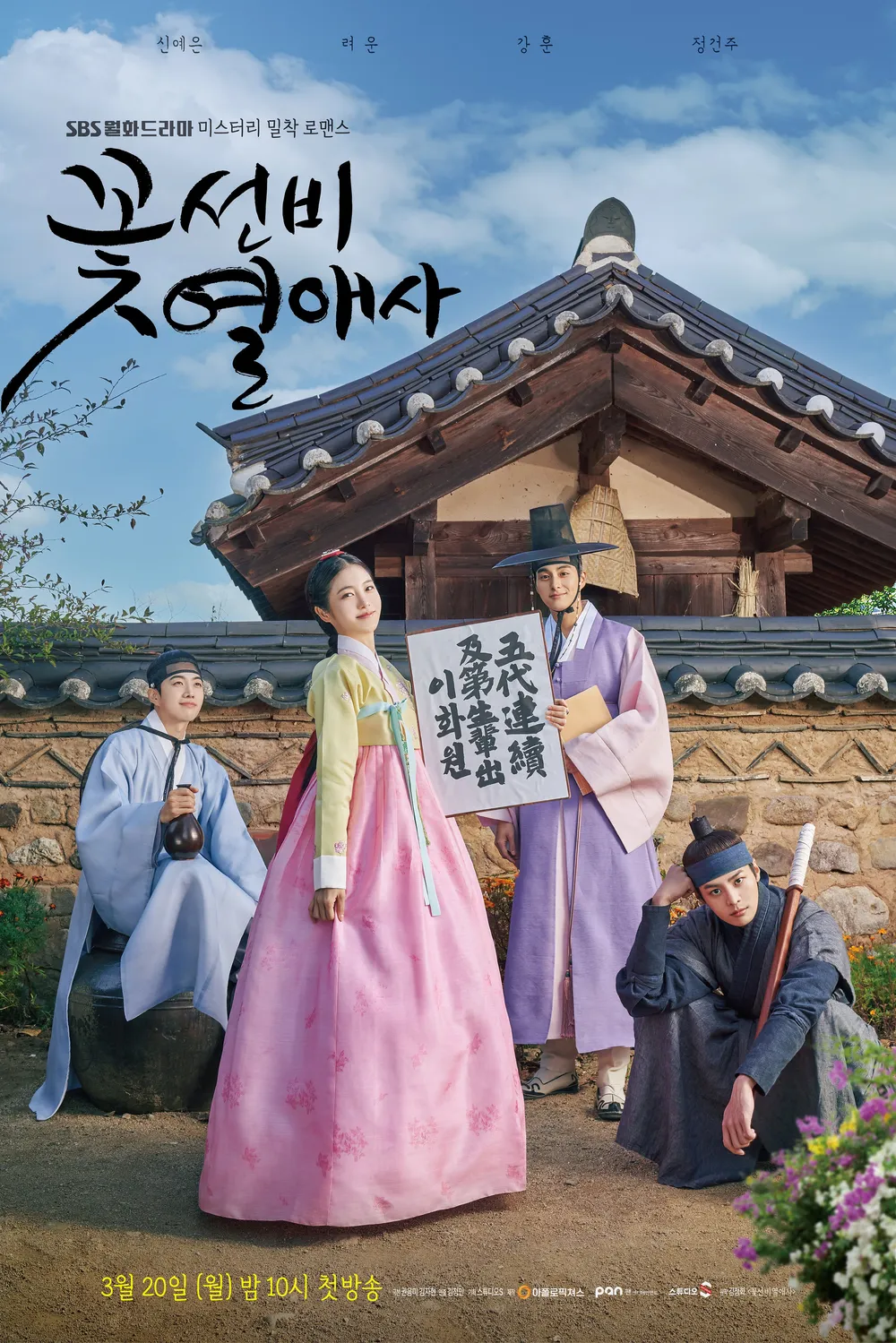
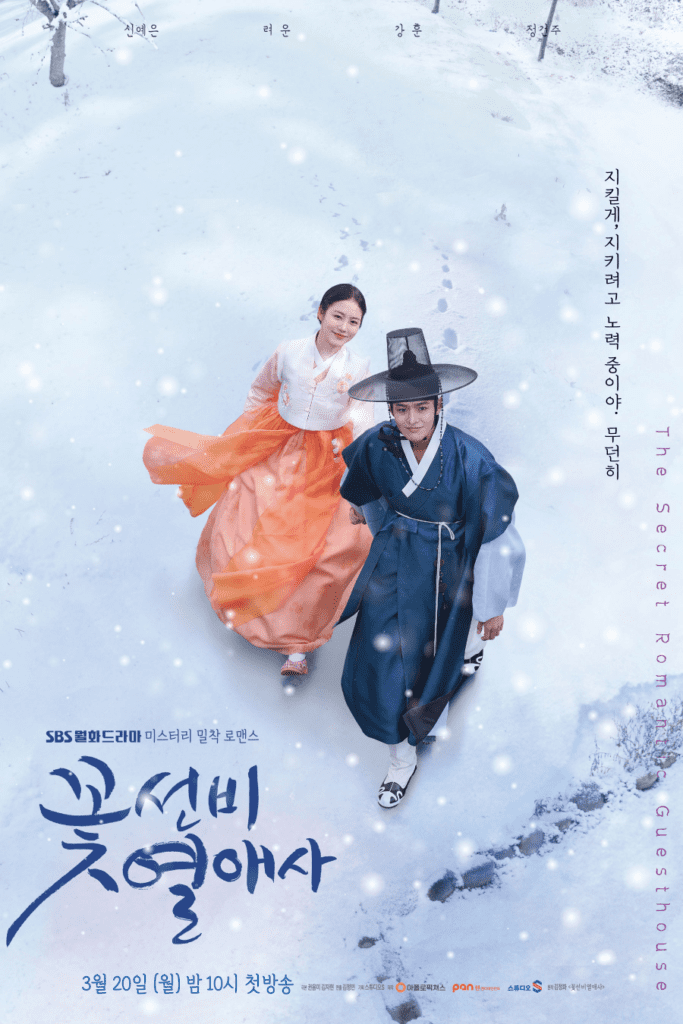
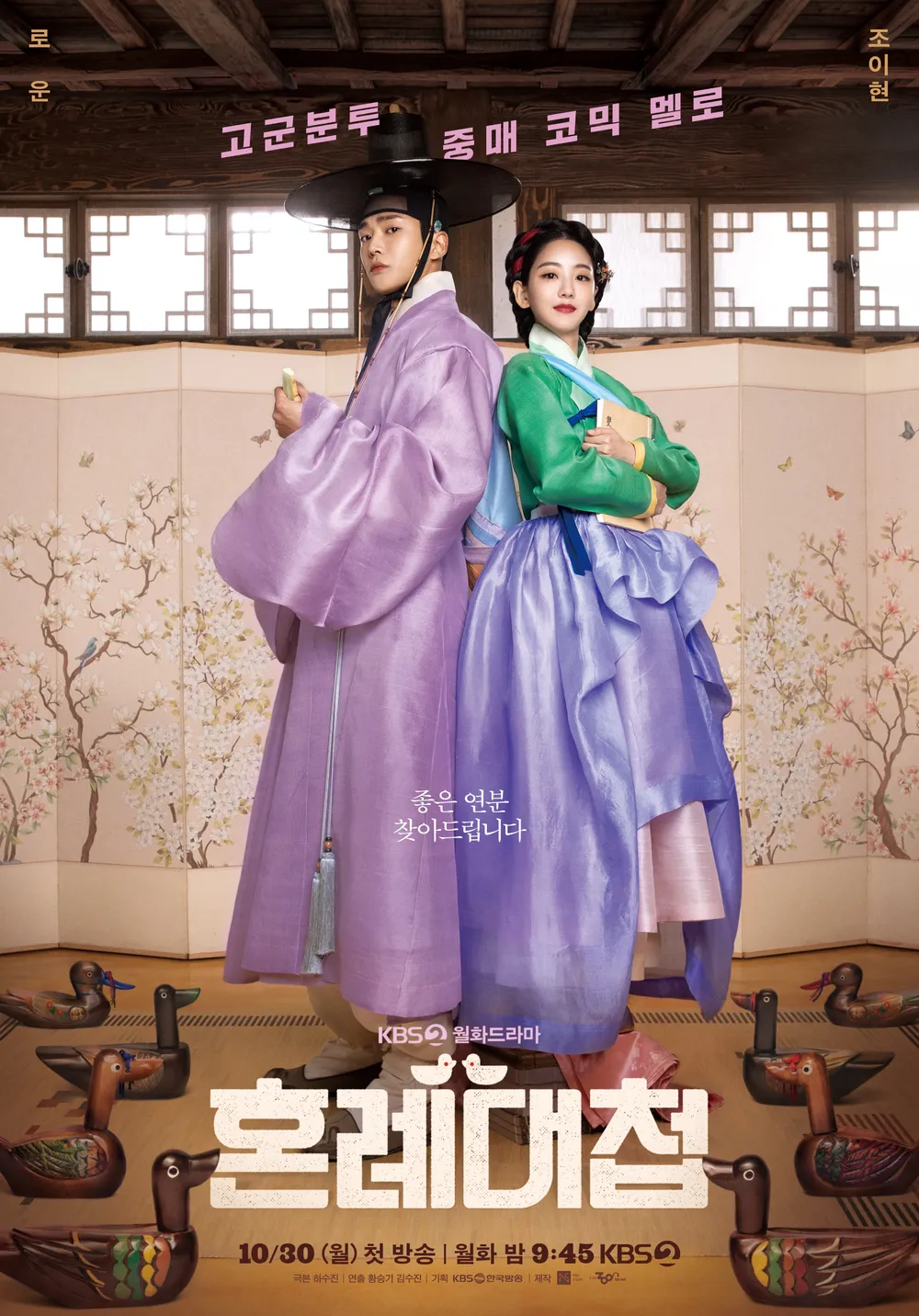
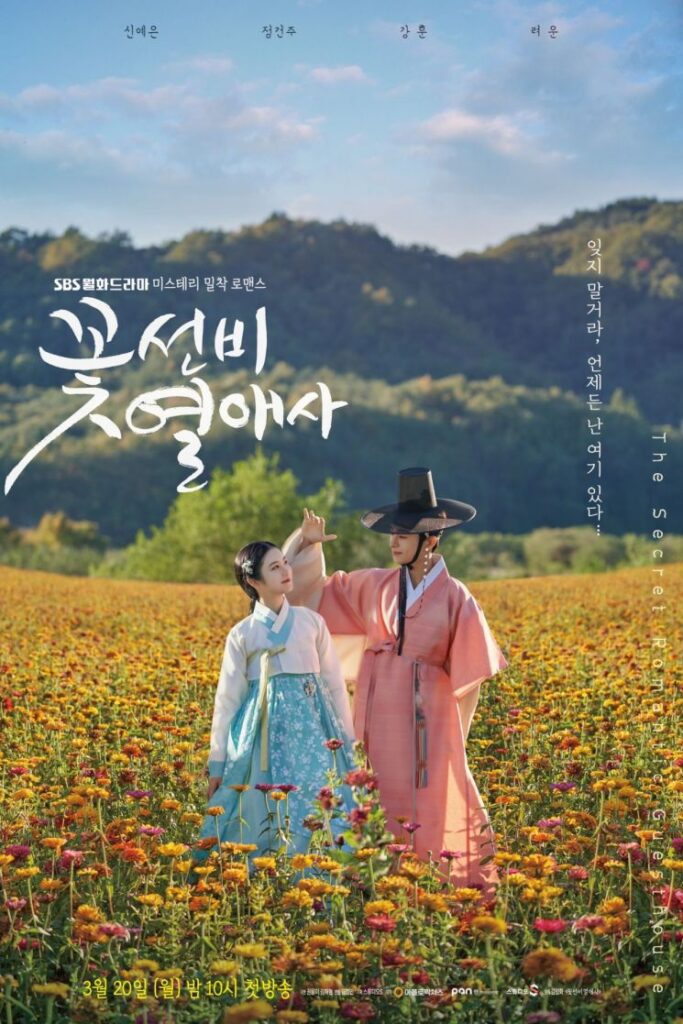
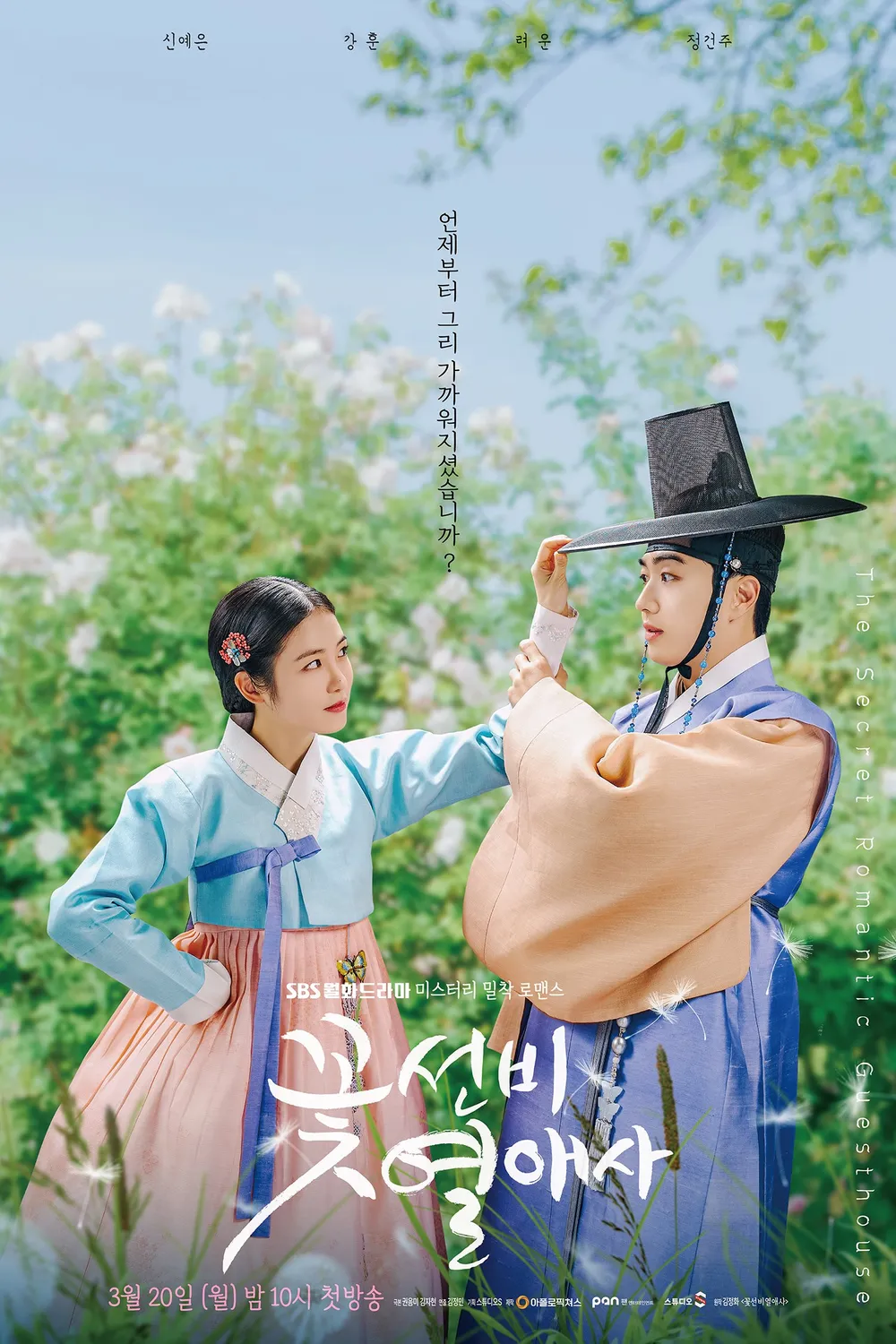
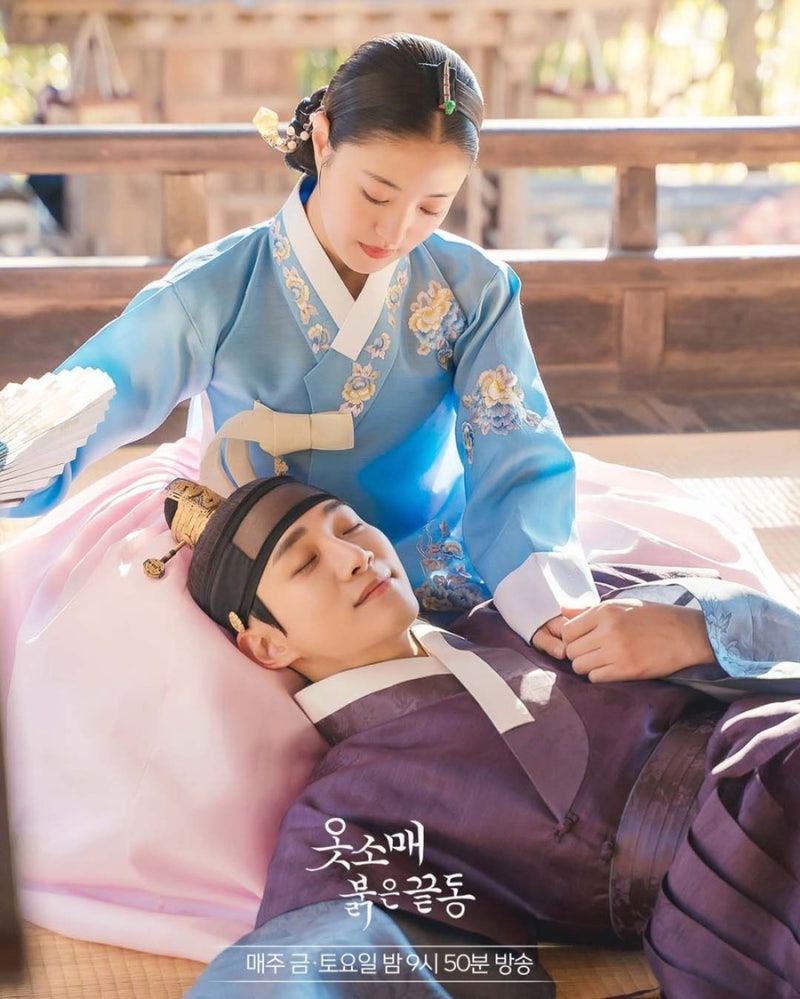
Color combinations are ultimately a matter of personal taste, but generally I’d recommend: either both pieces in soft, muted tones, or if you use one dark or bold color, balance it with a light, subtle shade on the other.
If there are patterns, I prefer designs where the pattern color is similar to the garment’s base color—so the pattern doesn’t stand out from a distance but rather feels integrated with the hanbok. Royal hanbok often features elaborate patterns, but even those tend to complement rather than clash with the fabric colors.
My Personal Hanbok Photo Shoot Experience at Gyeongbokgung
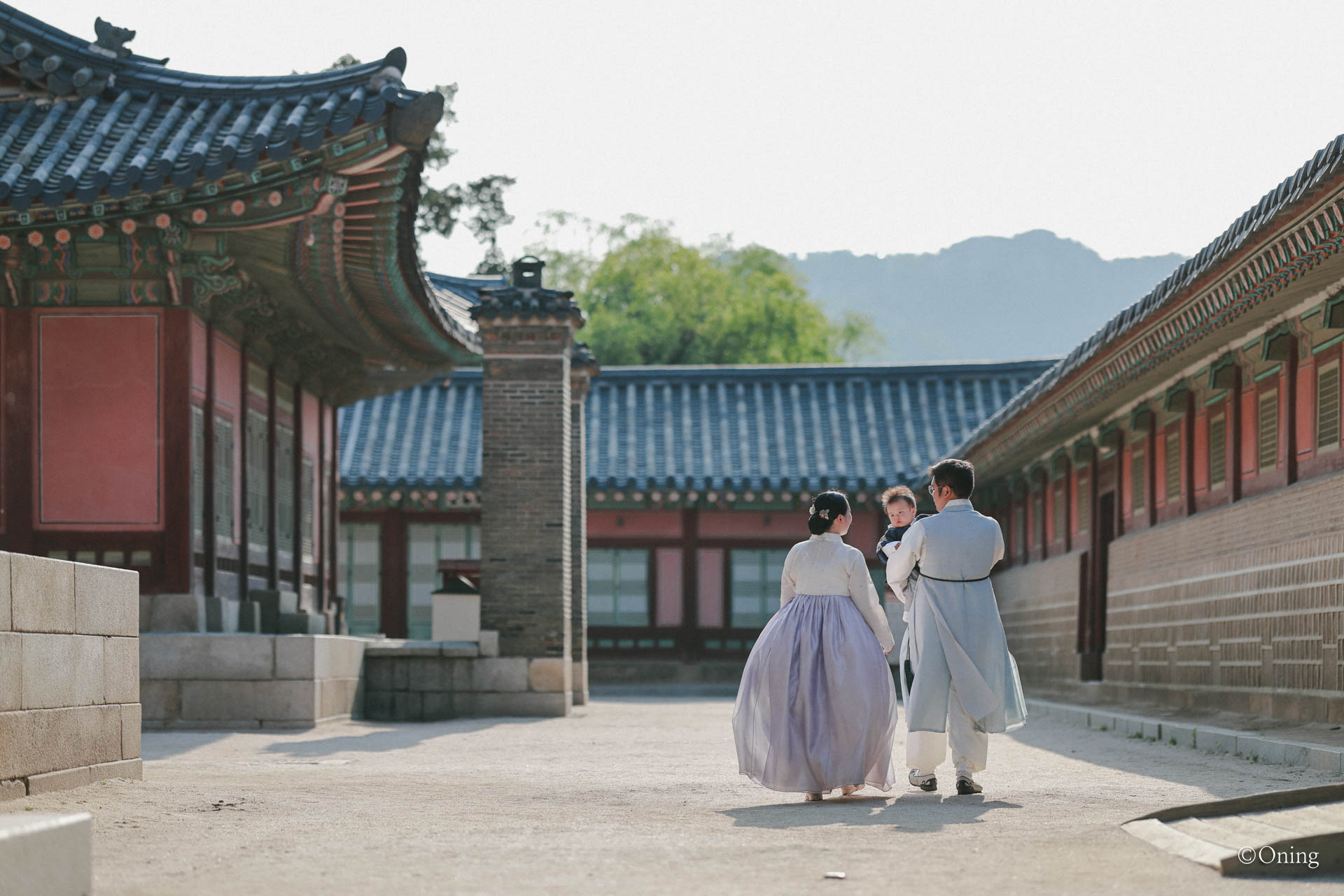
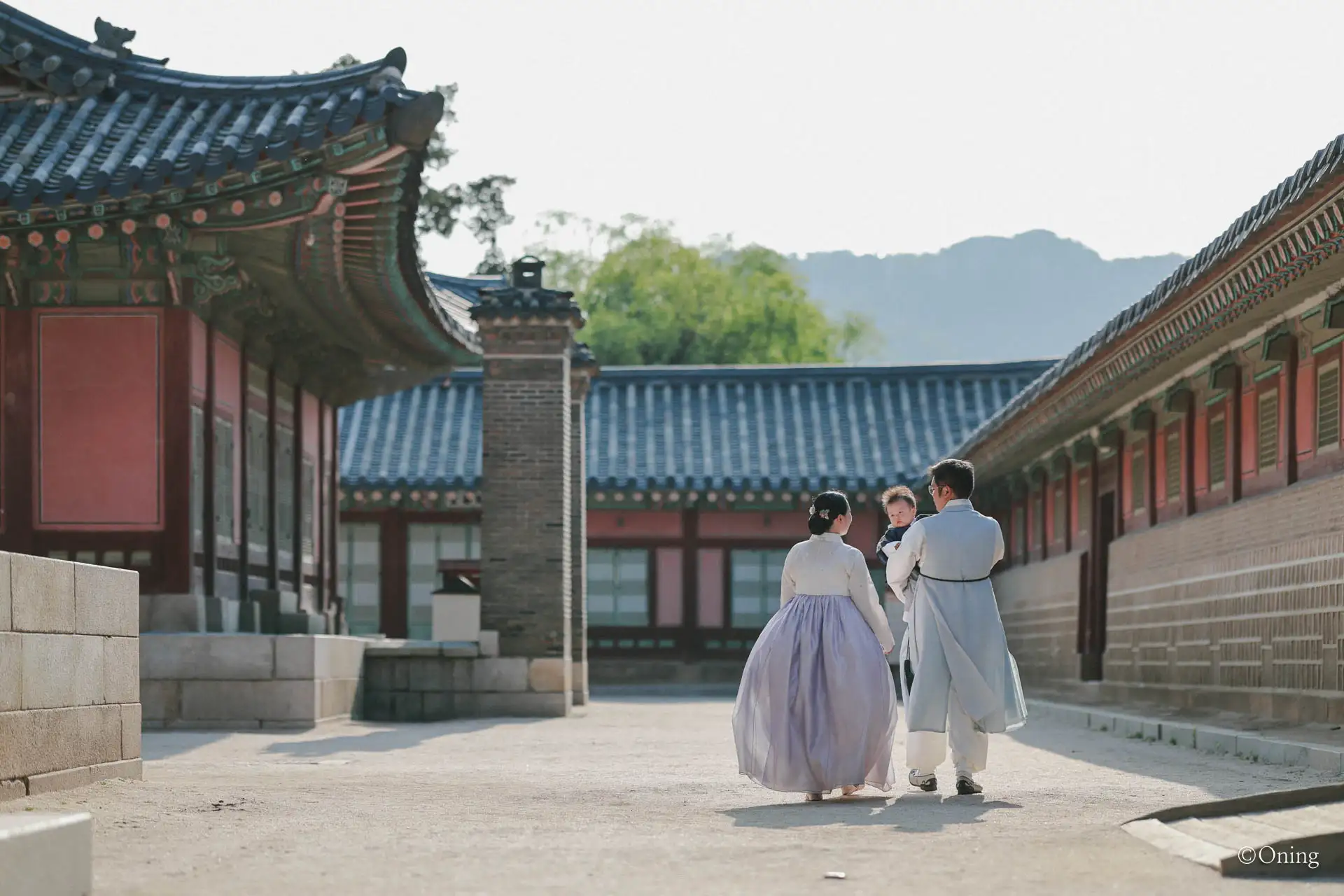
Just before my son’s first birthday (*dol*), we rented hanbok and had a photo shoot at Gyeongbokgung.
We dressed our son in a *seja* (crown prince) outfit, and since he was the star, my husband and I chose colors that would complement him without stealing the spotlight—recommended by the shop staff. I don’t usually wear purple and wasn’t sure if it would suit me, but I ended up really liking it. And seeing the photos taken inside Gyeongbokgung made me love it even more.
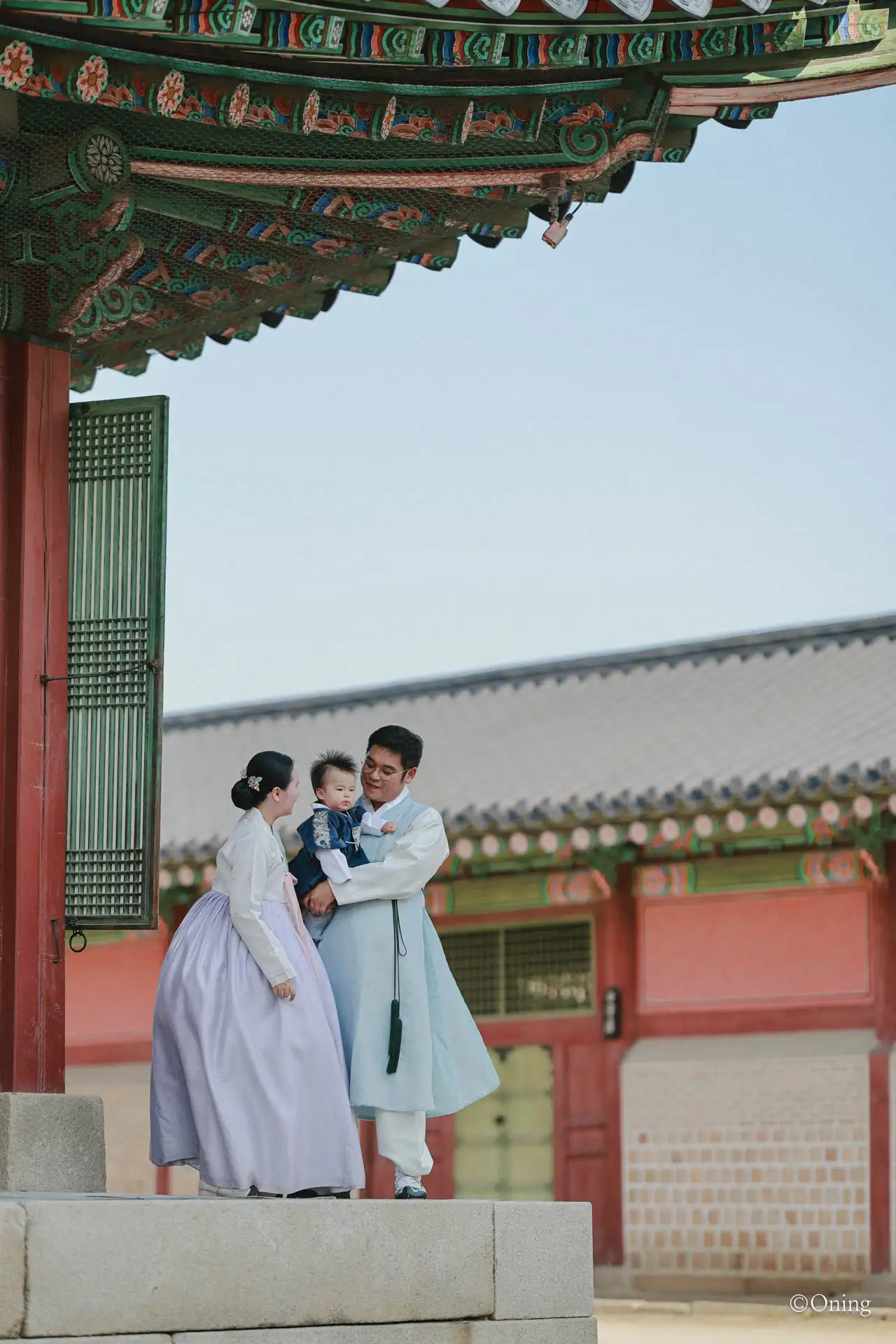
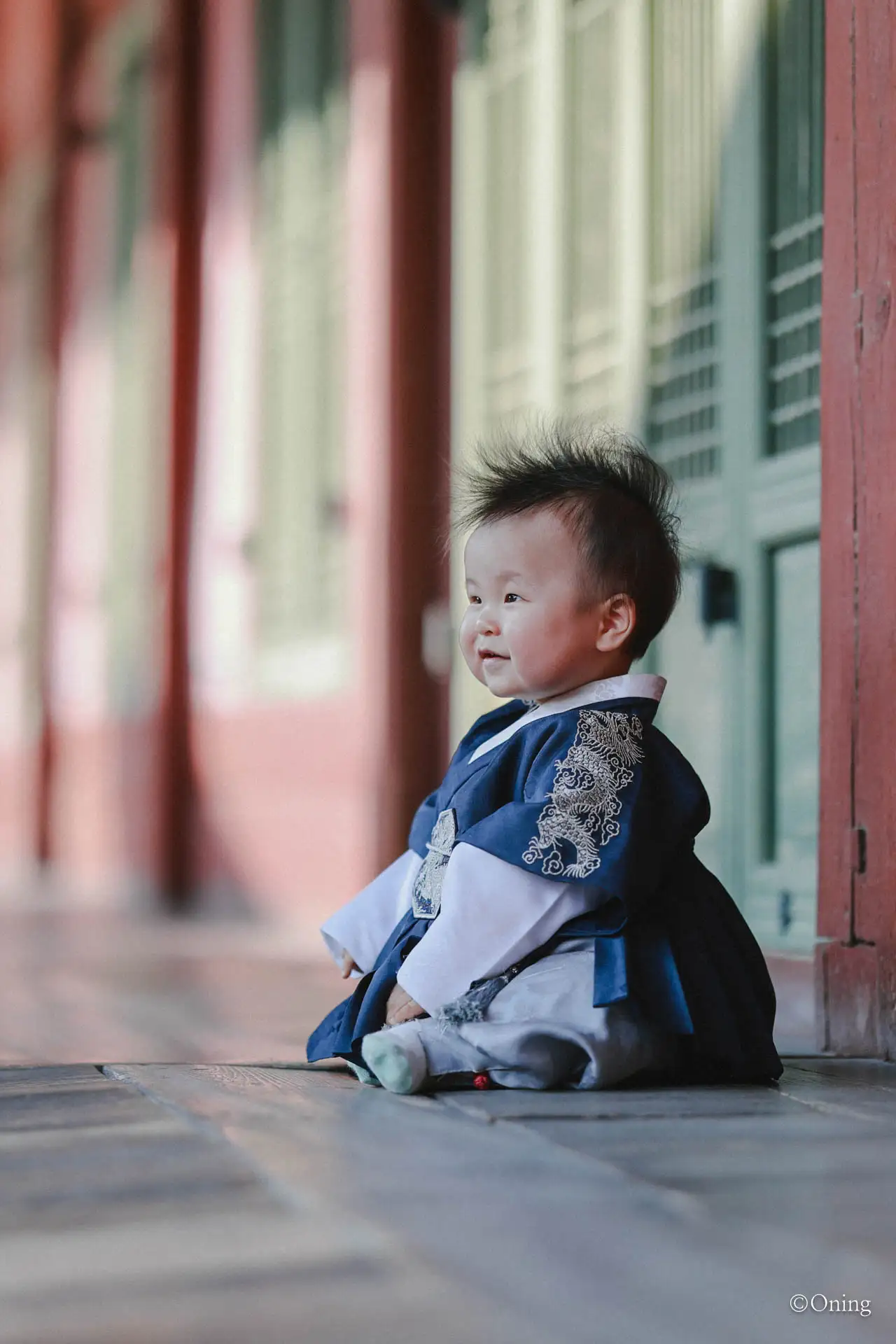
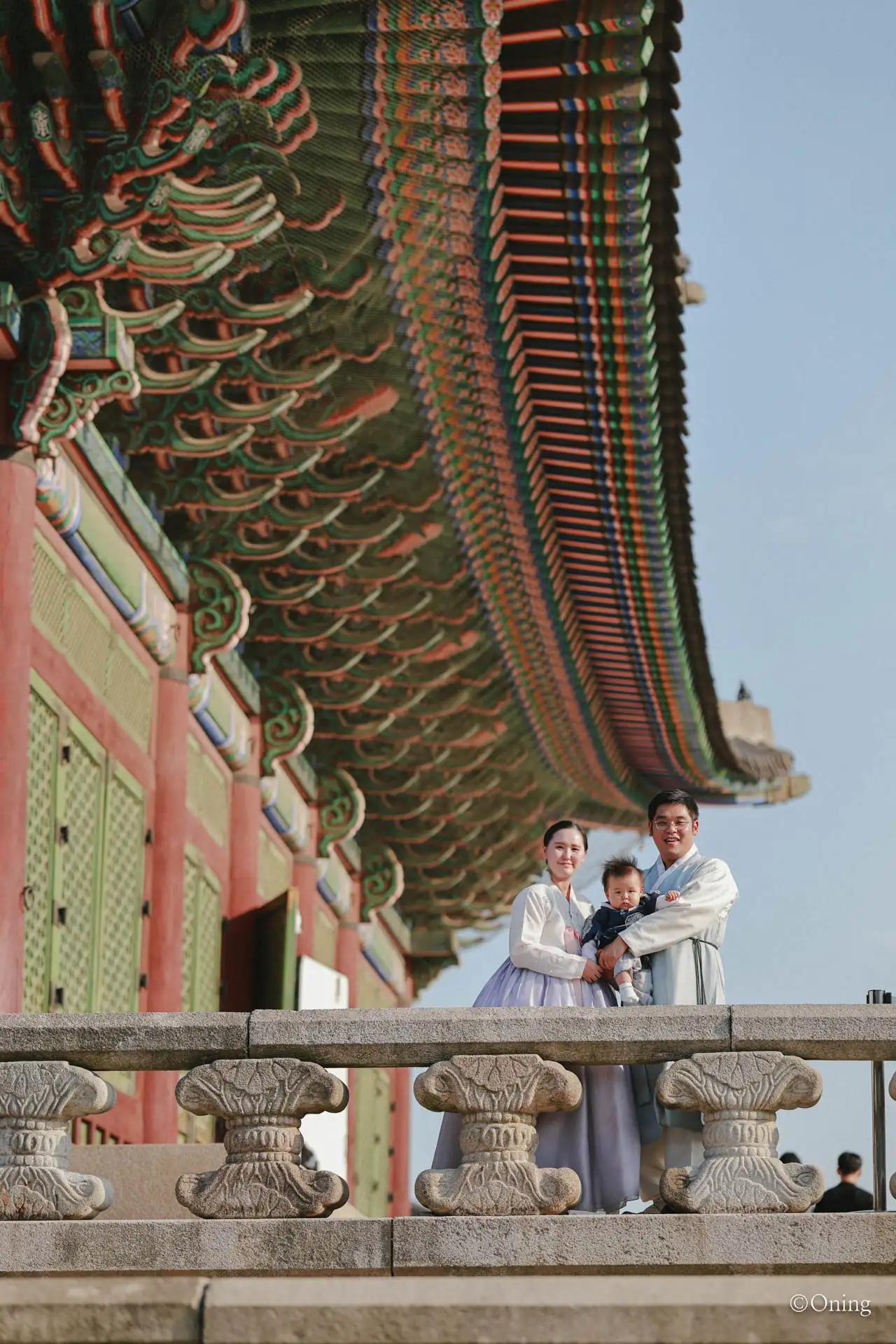
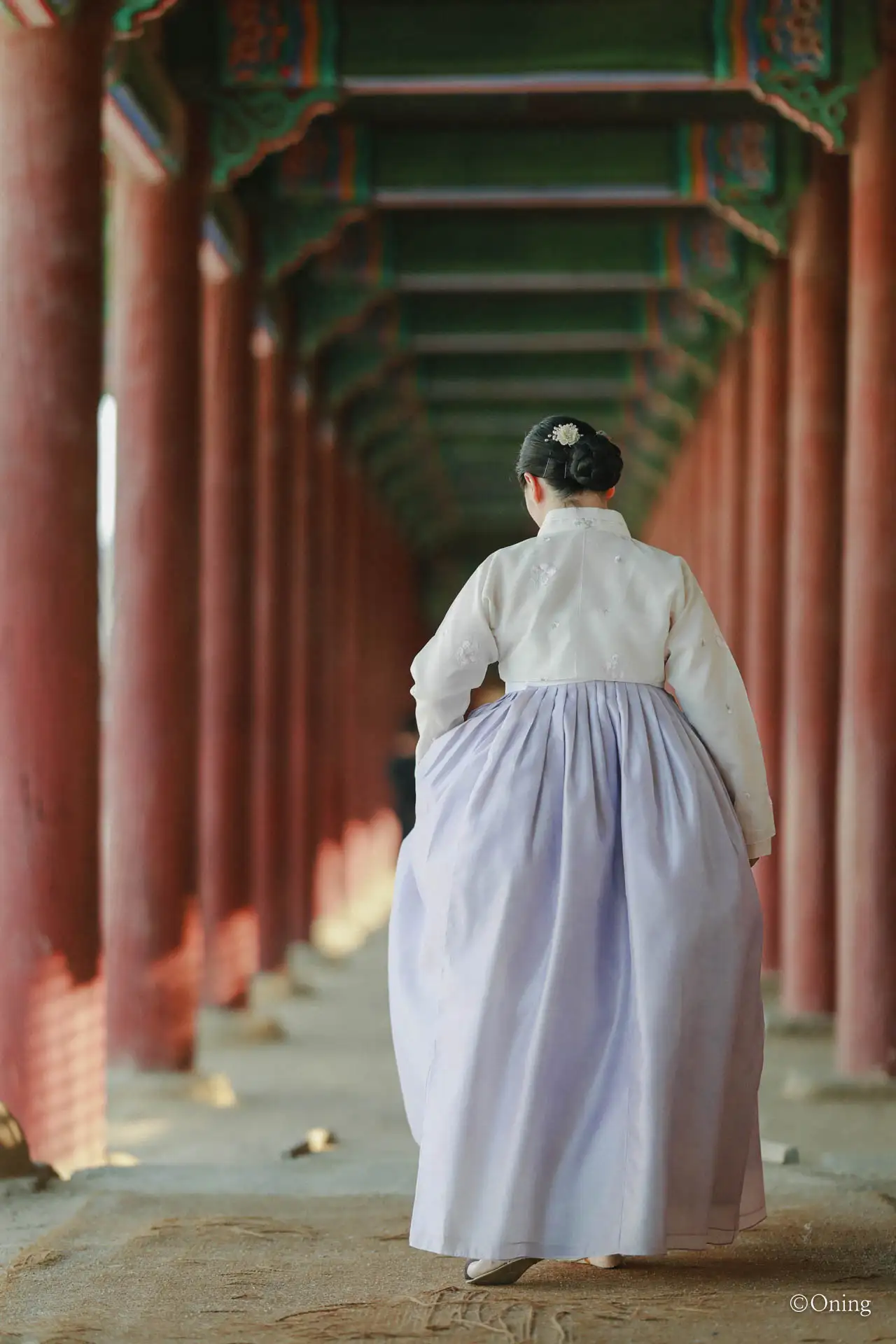
Since my son’s birthday is in July, we did the shoot in mid-June… and with hanbok fabric being what it is, it was *scorching* hot. Between the blazing sun, holding the baby, and constantly trying to make him smile for about an hour and a half, we were absolutely exhausted. My husband, who really doesn’t handle heat well, had an especially rough time.
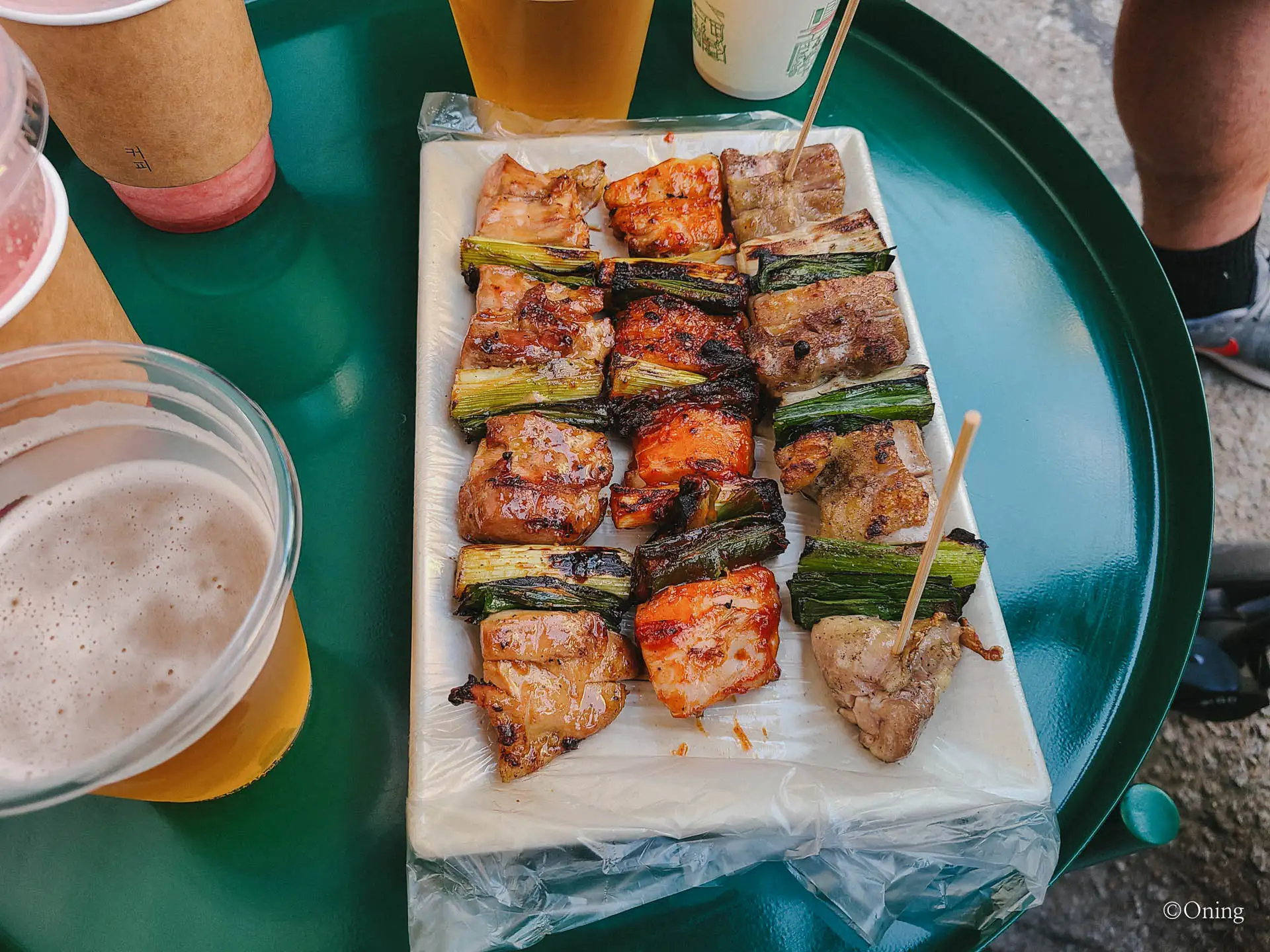
By the time the shoot ended, our son had completely passed out. After returning the hanbok, we were walking back when I spotted a place called *Dasaria*—an outdoor skewer bar. We parked the stroller and stopped for a drink. I will *never* forget that ice-cold draft beer. It was pure salvation.
Because this wasn’t just a casual visit—we had scheduled the day specifically for a professional photo shoot—it was more tiring than usual. But now it’s become such a precious memory. The hanbok was beautiful, the photos turned out amazing, and I’m already thinking about doing it again in autumn. The shop where I rented hanbok is called **Geumjundang (금준당)**. Their Instagram account has tons of gorgeous hanbok color combinations, so if you’re planning to rent hanbok or just curious, definitely check it out for inspiration!
Klook.com